Football season is back. Whether you’re heading to see the Brandywine Warriors or making the trip to Lincoln Financial Field for an Eagles game, the atmosphere is part of the fun. The cheers, music and crowd energy create an experience you simply can’t get at home.
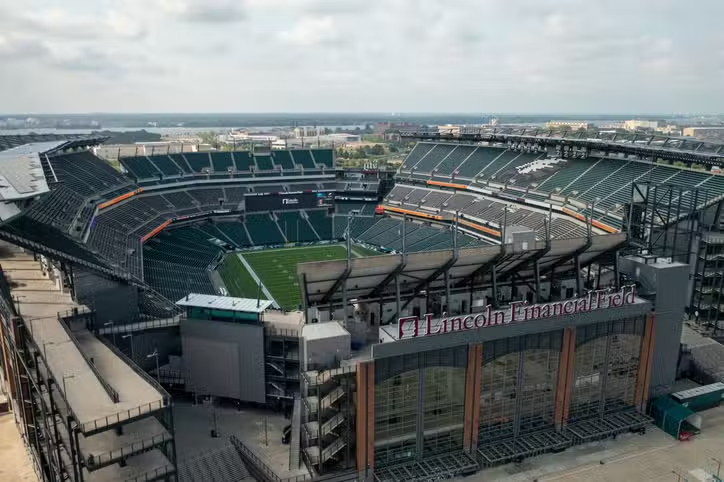
The catch? Stadiums can be surprisingly loud. Sports events are specifically listed by the National Institute on Deafness and Other Communication Disorders (NIDCD) among environments that can reach potentially harmful noise levels.
How Loud Is A Stadium, Really?
Many people associate hearing risks with concerts or construction sites. Sporting events don’t always make the list, but they probably should.
A packed stadium combines thousands of cheering fans, amplified announcements, music, whistles and crowd reactions that can continue for hours. During major football games, crowd noise can exceed 120 decibels, and the loudest verified outdoor stadium measurement on record reached 142.2 decibels during a Kansas City Chiefs game. That level of noise is often compared to standing near a jet engine during takeoff.1
It’s not just record-setting stadiums that matter. Research examining spectators at collegiate sporting events found that game-day noise frequently exceeded recommended exposure limits and produced measurable temporary changes in hearing immediately after the event.2
That helps explain why some fans leave a game with ringing ears, muffled hearing or a sense that sounds aren’t quite as clear as they were before kickoff. In many cases those effects are temporary. Sometimes they’re a sign that the ears experienced more stress than they could comfortably handle.
Signs Your Ears May Need Attention After A Game
Some temporary symptoms are common after spending several hours in a loud stadium. Pay attention if you notice:
- Ringing or buzzing in the ears (tinnitus)
- Muffled hearing
- A feeling of fullness or pressure in the ears
- Increased sensitivity to everyday sounds
The good news is that many post-game hearing symptoms improve within hours or days. Still, certain changes deserve attention, particularly if they linger or seem unusually severe.
Hearing Protection Doesn’t Mean Missing The Game
One of the biggest misconceptions about stadium earplugs is that they block everything.
Modern hearing protection is designed differently. Many stadium-goers choose filtered earplugs that reduce overall volume while allowing speech and important sounds to remain clearer than with traditional foam plugs.
That means you can still:
- Follow conversations with friends and family
- Hear announcements
- Enjoy the energy of the crowd
- Reduce the intensity of potentially harmful noise exposure
For many adults, especially those already managing hearing loss or tinnitus, this can make attending live events significantly more comfortable.
Can Earplugs Make It Hard To Hear The Game?
No. Quality filtered earplugs lower the volume reaching your ears without eliminating important speech and environmental sounds.
Instead of making everything quiet, they reduce the intensity of the loudest sounds, which helps many people hear more comfortably throughout the event.
Should I Get My Hearing Checked After Stadium Noise Exposure?
A hearing test is recommended if symptoms like ringing, muffled hearing or noticeable difficulty understanding speech continue after the event.
Even if you aren’t experiencing symptoms, establishing a baseline hearing evaluation can help track changes over time and provide reassurance about your hearing health.
A Simple Step Toward Protecting Your Hearing
If you’re planning to spend time at sporting events around Wilmington, Delaware and the surrounding region this season, a little preparation can go a long way. Hearing protection is easy to carry, easy to use and may help reduce the impact of hours of crowd noise.
And if you’ve noticed ringing, muffled hearing or other changes after a recent game, a hearing evaluation can provide clear answers. At Wilmington Audiology Services, hearing loss testing helps identify potential concerns early and gives you a better understanding of where your hearing stands today. Sometimes peace of mind starts with knowing your baseline.
Sources
1 Guinness World Records. “Loudest Crowd Roar At A Sports Stadium (Outdoor).” https://www.guinnessworldrecords.com/world-records/loudest-crowd-roar-at-a-sports-stadium
2 Swanepoel D, Hall JW III. “Football match spectator sound exposure and effect on hearing: a pretest-post-test study.” South African Medical Journal. 2010;100(4):239-242. PMID: 20459971.