Hearing aids are supposed to make life easier, not leave you wondering whether conversations have become harder again. If your hearing aids suddenly sound different, seem less effective or feel uncomfortable, the problem is often the device itself, not necessarily a change in your hearing.
In many cases, a checkup, cleaning, or adjustment can restore performance.
The First Signs Most People Notice
The most common clues tend to be things you hear.
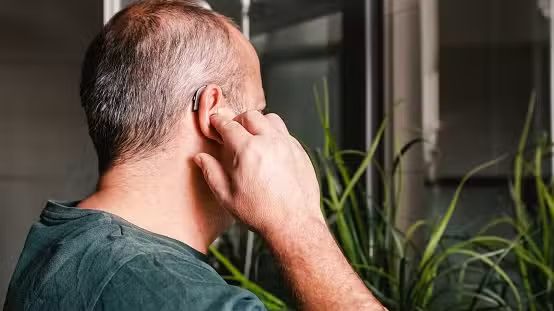
You might notice:
- Voices sound muffled, hollow, sharp or unusually metallic.
- Background noise suddenly feels more distracting than it used to.
- One hearing aid sounds weaker than the other.
- Your devices whistle, buzz or cut in and out unexpectedly.
- You’re asking people to repeat themselves more often despite wearing your hearing aids consistently.
Sometimes the cause is surprisingly simple. Earwax, moisture, clogged microphones, worn components, or changes in hearing aid programming can all affect sound quality.
A patient might describe it as, “Everything is louder, but not clearer.” That’s often a sign that the hearing aid needs attention.
The Harder-To-Detect Problems
Not every hearing aid issue announces itself through unusual sounds.
Some problems show up in your daily experience instead:
- Increased listening fatigue by the end of the day.
- Ears that feel sore, itchy or pressured while wearing the devices.
- Batteries are draining faster than normal.
- Hearing aids that seem to fit differently than they once did.
These issues can make hearing aids feel frustrating, even if the sound quality seems reasonably good. We agree with the American Speech-Language-Hearing Association who notes that hearing aid fit, feedback and maintenance-related issues can affect device performance and should be evaluated when problems persist.1
How Can You Tell If It’s The Hearing Aid Or Your Hearing?
This is one of the most common questions people ask.
If the problem appeared suddenly, affects only one hearing aid or changes from day to day, there’s a good chance the device is contributing to the issue. Hearing loss progression is usually gradual. A hearing aid malfunction often feels more abrupt.
Can Earwax Make Hearing Aids Sound Weak Or Distorted?
Yes. Earwax can block microphones, receivers, vents or sound outlets, causing hearing aids to sound quieter, distorted or inconsistent.
A professional cleaning is often enough to restore normal performance if buildup is the culprit.
Should My Hearing Aids Be Reprogrammed After A Hearing Test?
Often, yes. Hearing changes over time, and updated test results help your audiologist fine-tune amplification levels to match your current listening needs.
That adjustment can improve speech clarity, comfort, and performance in noisy environments.
When Should You Schedule Maintenance?
Think of hearing aid maintenance the same way you’d think about maintaining a vehicle. Waiting until something stops working completely isn’t always the best strategy.
A maintenance appointment is worth considering when:
- Your hearing aids are several years old.
- You’ve spent significant time in humid, dusty or dirty environments.
- Sound quality has changed.
- The devices no longer feel comfortable.
- You haven’t had them professionally cleaned or checked in quite some time.
For many people in Wilmington, Delaware and the surrounding region, a routine clean-and-check appointment once or twice a year helps catch small issues before they become bigger frustrations.
Keeping Your Hearing Experience On Track
If something seems off, Wilmington Audiology Services can inspect, clean, troubleshoot and adjust your hearing aids so you can feel confident in what you’re hearing again. Sometimes a small adjustment makes a surprisingly big difference.
Sources
1 American Speech-Language-Hearing Association. “Daily Care and Troubleshooting Tips for Hearing Aids.” https://www.asha.org/siteassets/ais/ais-hearing-aids-troubleshooting.pdf